
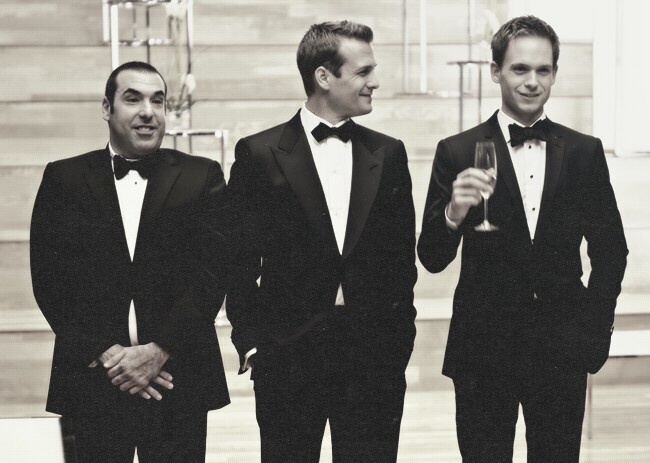
The Standard in Film isn’t about fashion—it’s about identity. The films that endure understand that what a man wears is never separate from who he is.
Clothing, at its best, is not decoration. It’s communication. A well-cut jacket suggests discipline. A restrained color palette signals control. Even the smallest details—a watch, a pair of shoes, the way a tie is knotted—carry weight. These choices aren’t random; they are intentional, and they tell you exactly how a character moves through the world.
Accessories, in particular, reveal what clothing alone cannot. A watch is not just a tool—it’s a statement of priorities. Is it understated or attention-seeking? Built for function or chosen for status? The answer tells you whether a man values precision, legacy, or perception. The same is true of every detail: nothing exists in isolation.
But clothing and accessories only go so far. Without confidence, they collapse into costume. The men worth studying—the ones who define the standard—wear their choices with a kind of quiet certainty. There is no adjustment, no second-guessing. The clothing fits because the identity behind it is already established.
This is where most get it wrong. They chase pieces instead of presence. They focus on what to wear without understanding what it should say. In film, the difference is obvious: the character who understands himself is effortless; the one who doesn’t is trying.
The standard, then, is not about having more—it’s about saying more with less. And the films that get it right don’t just show style. They show control.
To see this standard applied, look no further than Casino Royale. Every element of Daniel Craig’s wardrobe—whether tailored or casual—feels considered, functional, and unmistakably timeless.
JAMES BOND
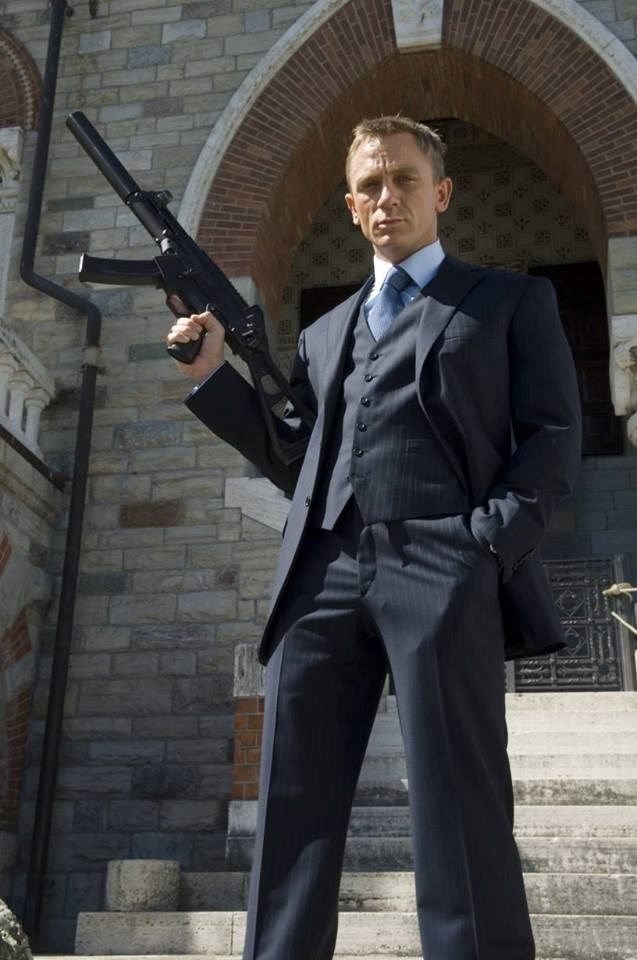
This is not just a navy suit—it’s a study in control. Worn by Daniel Craig in Casino Royale, the three-piece is cut from worsted wool with a restrained pinstripe, built on a structured foundation, and finished with a tailored, athletic silhouette. Nothing about it is accidental. It’s designed for environments where the margin for error is zero. In that sense, it operates less like clothing and more like equipment.
Why It Works
The strength of this suit lies in what it refuses to do. It doesn’t chase attention. It doesn’t rely on trend. The navy tone communicates authority without noise, while the pinstripe introduces dimension without distraction. The three-piece construction adds weight and presence, reinforcing a sense of preparedness. Everything is measured. Everything is intentional. That discipline is what makes it timeless.
Jacket Details
The jacket is built on balance. Medium-width notch lapels frame the chest without exaggeration. The shoulders are structured, but not aggressive—strong, not theatrical. The chest remains clean, allowing the fabric to drape naturally rather than forcing shape. Sleeve length is exact, revealing just enough cuff to signal precision. Even the working buttons at the cuff serve as a quiet reminder: this is craftsmanship, not decoration.
Waistcoat (Vest)
The waistcoat is where the system reveals itself. It sharpens the torso, reinforces the silhouette, and ensures the look holds together under any condition. With the jacket on or off, the structure remains intact. It’s not there for style points—it’s there for continuity. The result is a uniform that maintains composure at all times.
Trousers
The trousers follow the same philosophy: eliminate excess. A flat front keeps the line clean and modern, while the tailored leg removes any unnecessary volume. The break is minimal and deliberate, allowing the shoe to sit naturally without interruption. There’s no distraction here—just clarity of form and function.
Fabric & Pattern
Worsted wool provides the ideal foundation—smooth, durable, and refined without being delicate. The pinstripe is subtle enough to read as texture rather than pattern, adding depth without pulling focus. It’s a quiet expression of quality. The kind that doesn’t need to announce itself to be understood.
Accessories
Nothing here is ornamental. The Omega Seamaster Planet Ocean is a tool watch first—built for performance, worn without ceremony. The tie, a medium blue silk, introduces just enough variation to unify the look without competing with it. A crisp white shirt anchors everything in clarity. Each piece does its job, and then gets out of the way.
What It Says
This suit communicates readiness. It suggests a man who values precision over excess, and discipline over display. There is no effort to impress—only an understanding that details matter. It’s confidence expressed through restraint.
The Takeaway
At its highest level, style is not about addition—it’s about elimination. This suit succeeds because nothing is unnecessary. Every element serves a purpose, and together they form something cohesive, controlled, and enduring. That is the standard.
HARVEY SPECTER
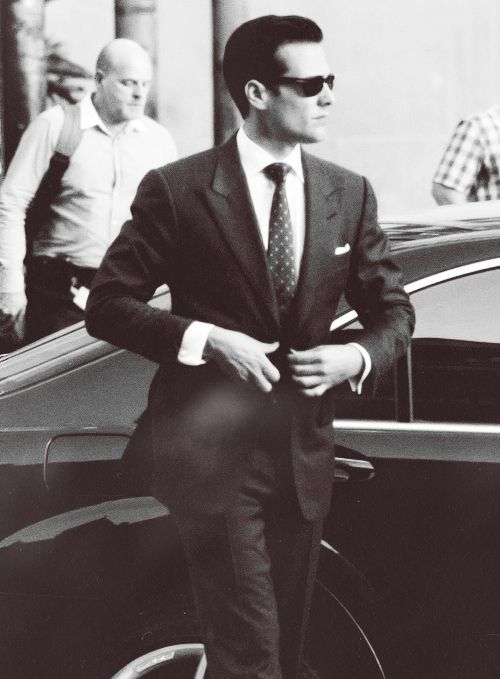
Harvey Specter’s wardrobe is the modern benchmark for power dressing. Built almost exclusively around sharply tailored three-piece suits, his look favors peak lapels, strong shoulders, and a close, decisive fit. Fabrics are rich—typically worsted wool in solid navy, charcoal, or subtle chalk stripe. Unlike Bond’s utilitarian precision, Specter’s style is designed for dominance in a different arena: the boardroom. It’s not about survival—it’s about winning.
Why It Works
Specter’s tailoring succeeds because it leans into authority without tipping into excess. The darker color palette establishes control and consistency, while the sharper cuts—particularly the peak lapels—project confidence and status. His suits are aggressive, but never loud. The fit is exacting, sculpting the body without restricting it. Everything is calibrated to send a message: he’s in charge before he says a word.
Jacket Details
The jacket is where Specter separates himself. Peak lapels dominate—wider, more pronounced, and intentionally assertive. The shoulders are structured and extended slightly to create a broader frame, reinforcing presence. The jacket is cut close through the waist, exaggerating the V-shape and creating a commanding silhouette. Lapel rolls are clean, button stance is slightly higher, and everything feels sharp, deliberate, and controlled.
Trousers
The trousers are clean and uncompromising. Flat-front, tailored closely through the thigh and tapering down the leg, they maintain a sharp line from waist to shoe. Breaks are minimal to nonexistent, reinforcing a modern, no-excess philosophy. There’s no softness here—just structure and intent.
Fabric & Pattern
Specter’s suits rely heavily on solid tones and restrained patterns. Deep navy and charcoal dominate, occasionally accented with a chalk stripe or faint texture. Fabrics are almost always high-quality worsted wool—smooth, structured, and built to hold a sharp line throughout the day. The goal isn’t variety—it’s consistency. A uniform that reinforces identity.
Accessories
Accessories are controlled, but slightly more expressive than Bond’s.
- Ties: Often wider, with bold knots (typically a full Windsor), in solid or power patterns
- Pocket Squares: Crisp, usually white, adding contrast and polish
- Shirts: Predominantly white or light blue, spread collars to accommodate larger tie knots
Everything works together to amplify presence without becoming distracting.
What It Says
Specter’s suits communicate dominance. This is not quiet confidence—it’s visible authority, executed with precision. The sharper lines, stronger shoulders, and bolder details all reinforce one idea: control of the room, the conversation, and the outcome.
The Takeaway
Where Bond’s style is about disciplined restraint, Specter’s is about controlled power. The principle, however, remains the same: eliminate weakness, refine the essentials, and commit fully to the message. In Specter’s case, that message is simple—win, decisively.
PATRICK BATEMAN
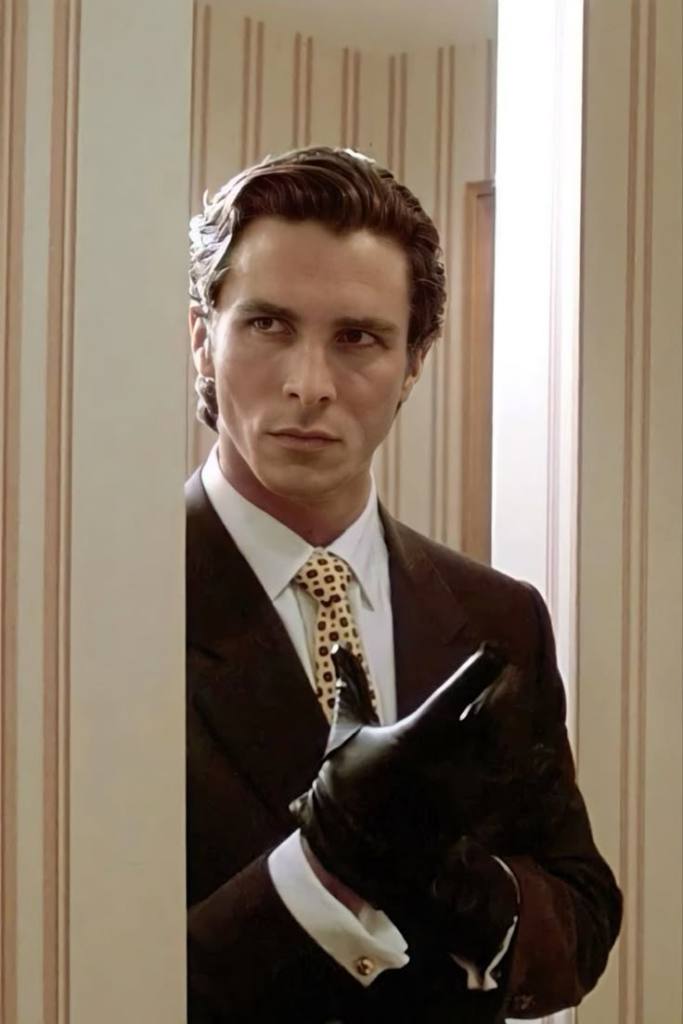
Patrick Bateman’s suits represent a different kind of precision—one rooted in perfection, not practicality. Set in the late 1980s world of American Psycho, his tailoring reflects the era’s obsession with status, control, and surface-level excellence. Double-breasted jackets, strong shoulders, and fuller cuts define the silhouette, typically executed in rich worsted wool, flannel, or subtle patterns. This is not a uniform for function—it’s a uniform for image. Immaculate, calculated, and intentionally flawless.
Why It Works
Bateman’s style works because it commits fully to its identity. The suits are sharp, but in a way that feels almost too perfect—every line pressed, every detail pristine. Power is communicated through exaggeration: broader shoulders, more fabric, stronger presence. Unlike Bond’s restraint or Specter’s controlled aggression, Bateman’s tailoring leans into excess—but disguises it as refinement. It’s discipline taken to an extreme, where appearance becomes the entire point.
Jacket Details
The jacket is unmistakably of its time. Often double-breasted, with wide peak lapels that draw the eye outward and upward, it creates a larger, more imposing frame. Shoulders are padded and pronounced, emphasizing structure over natural shape. The cut is fuller through the body compared to modern tailoring, but still precise in its proportions. Everything is sharp—creases, lines, edges—bordering on clinical in execution.
Trousers
The trousers reflect the same 1980s influence. Typically higher-waisted with a fuller leg, they allow for drape rather than cling. Pleats are common, adding volume and movement, while the break is more generous than what you’d see in modern tailoring. Despite the added fabric, everything remains perfectly pressed—no wrinkles, no imperfection. Control is maintained, even within excess.
Fabric & Pattern
Bateman’s wardrobe relies on luxurious materials—worsted wool, flannel, and high-end blends that hold structure while signaling wealth. Patterns are present but restrained: pinstripes, chalk stripes, and subtle checks. The palette stays conservative—navy, charcoal, and deep neutrals—but the richness of the fabric elevates the entire look. It’s less about versatility and more about projection.
Accessories
Accessories are where the obsession becomes obvious.
- Shirts: Crisp, often with contrast collars or bold stripes
- Ties: Power ties—reds, silks, and statement patterns
- Suspenders (Braces): Functional, but also a visual flex
- Pocket Squares: Precisely folded, never casual
Every piece is curated to reinforce a singular goal: perfection. Not effortlessness—control.
What It Says
Bateman’s suits communicate something colder than confidence. They project status, discipline, and wealth—but without warmth. The precision feels rehearsed. The perfection feels necessary. It’s style as armor, where identity is constructed entirely through appearance.
The Takeaway
Patrick Bateman represents the outer limit of The Howell Standard. The lesson isn’t to replicate the excess—but to understand the danger of it. Precision matters. Discipline matters. But when appearance becomes the sole objective, style loses its foundation. True refinement isn’t just about looking perfect—it’s about knowing when to stop.

Leave a comment