
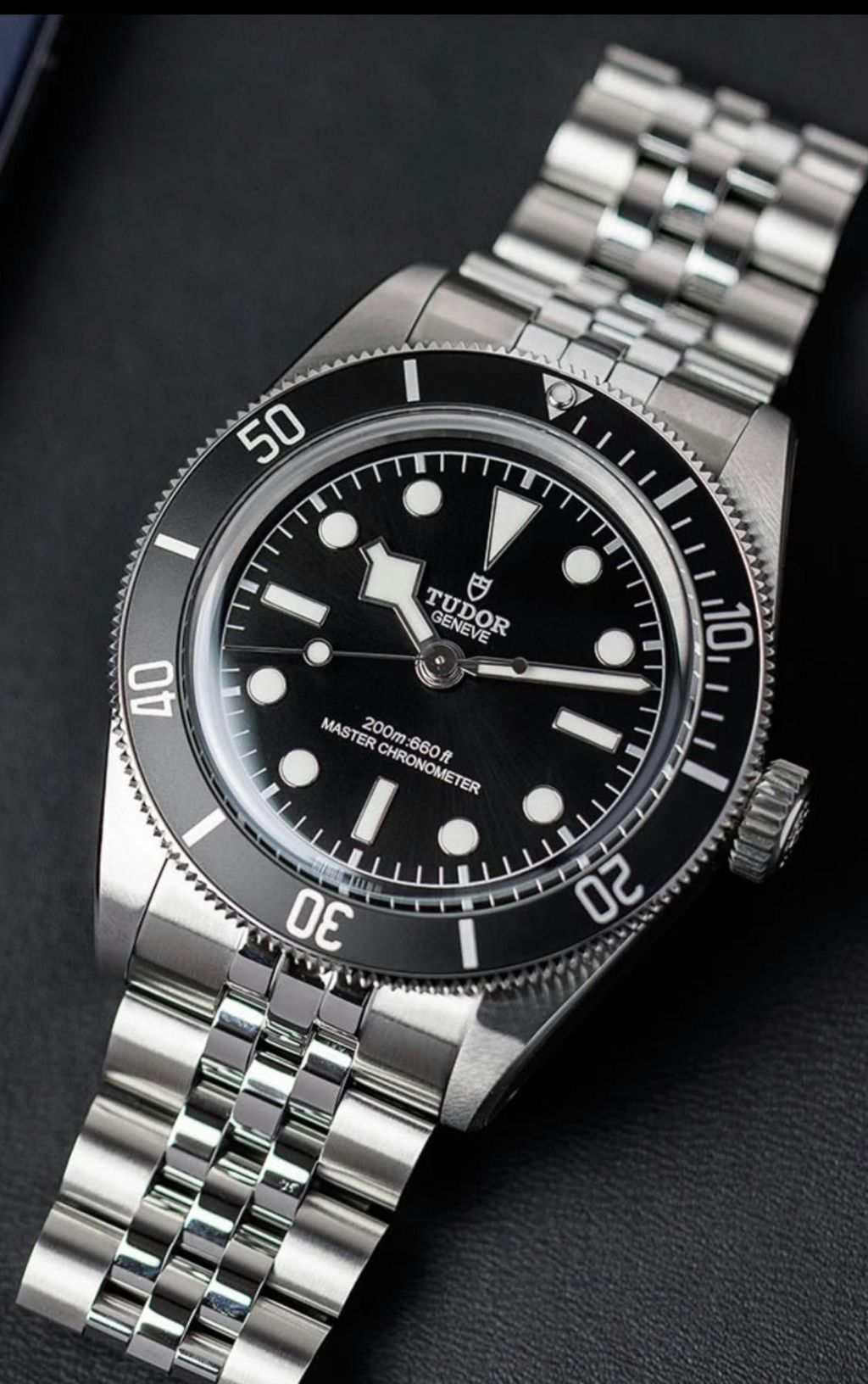
Tudor occupies a distinct position in modern watchmaking—one defined not by excess or status, but by clarity of purpose. Founded in 1926 by Hans Wilsdorf, the same figure behind Rolex, Tudor was created with a simple but enduring idea: build watches that carry the reliability and design integrity of high-end Swiss horology, but at a more accessible price point. From the beginning, the goal was not to dilute quality, but to refine it into something more practical—something meant to be worn, used, and relied upon.
That philosophy shaped Tudor’s early identity. While many luxury brands built their reputations in display cases, Tudor’s credibility developed in the field. Throughout the mid-20th century, Tudor watches were issued to military units, including the French Navy, where they were used as functional tools rather than status symbols. These watches needed to perform under pressure—underwater, in low visibility, and in demanding environments. As a result, their design language evolved around clarity, durability, and precision. Every element served a purpose, and anything unnecessary was left behind.
This emphasis on utility gave rise to one of Tudor’s most recognizable features: the snowflake hand. Introduced in the late 1960s, its angular shape was designed to improve legibility, particularly in low-light conditions. Over time, it became more than a practical solution—it became a defining characteristic. The snowflake hand reflects a broader principle that continues to guide the brand: when design is driven by function, it develops its own kind of identity. It doesn’t need to be forced or embellished. It simply works.
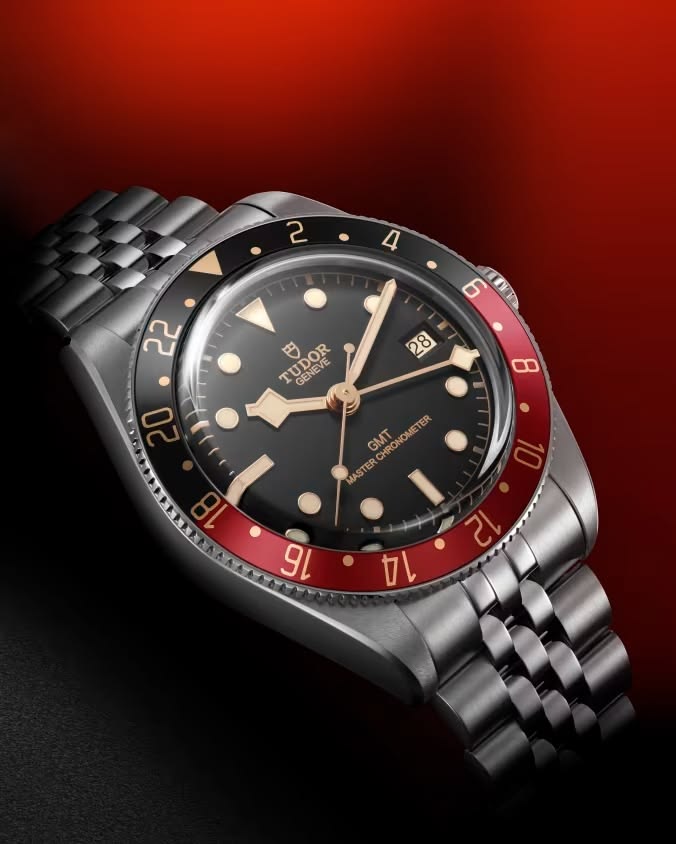
Despite its strong foundation, Tudor spent a period of time operating quietly, often overshadowed by Rolex. For years, it was seen as a secondary option rather than a distinct voice. That perception began to shift in the early 2010s, when Tudor reintroduced itself with a clearer sense of direction. The release of the Black Bay line marked a turning point—not because it reinvented the brand, but because it refined and reasserted what had always been there. Drawing from its own history without copying it outright, Tudor found a way to balance heritage with modern expectations.
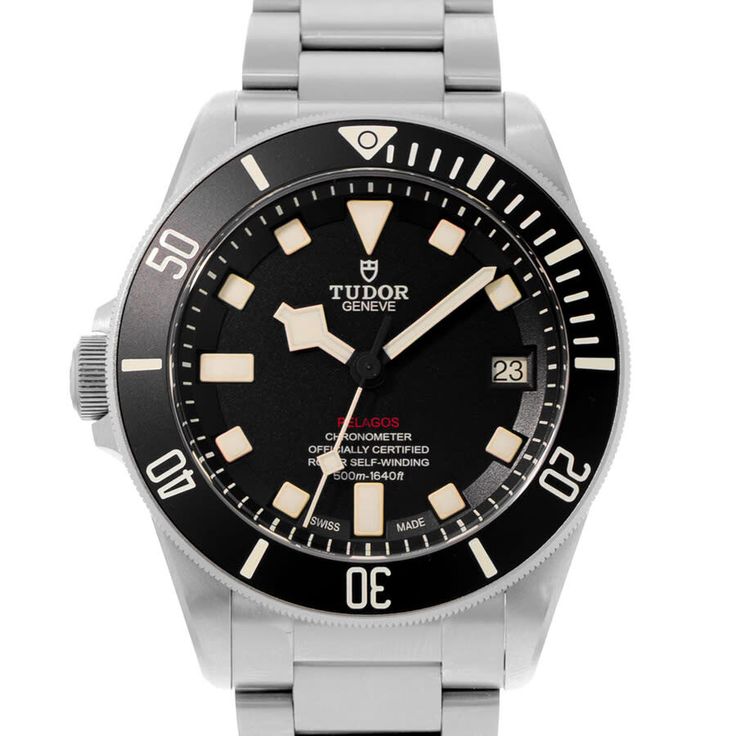
Models like the Black Bay 58, Pelagos, and Ranger each represent different aspects of that identity. The Black Bay 58 channels vintage proportions and warmth, appealing to those who value subtlety and balance. The Pelagos, with its titanium construction and technical focus, leans fully into the tool-watch category—precise, lightweight, and built for performance. The Ranger strips things back even further, offering a field watch that emphasizes simplicity and clarity above all else. While these watches differ in execution, they share a consistent philosophy: usefulness first, refinement second.

A key part of Tudor’s modern evolution has been its move toward in-house movements. By developing its own calibers, the brand has gained greater control over performance, reliability, and longevity. These movements are not designed to impress through complexity alone, but to deliver consistency over time. They reflect the same mindset found in the external design—focused, disciplined, and resistant to unnecessary complication.
In today’s watch market, Tudor sits in a space that is increasingly difficult to define, precisely because it avoids extremes. It is not positioned as the most luxurious option, nor does it compete on being the most affordable. Instead, it exists in a middle ground that prioritizes balance. Heritage is present, but not overemphasized. Performance is central, but not exaggerated. Design is thoughtful, but never loud. This restraint is what gives Tudor its identity. It doesn’t need to prove itself through spectacle—it proves itself through consistency.
That consistency is what aligns Tudor with a broader idea of standard. A well-made watch, like any well-made object, does not rely on attention to justify its value. It reveals itself over time—through wear, through use, through the small details that hold up under scrutiny. Tudor watches are built with that long view in mind. They are meant to be lived with, not simply admired.
In a culture that often prioritizes immediacy—quick trends, quick upgrades, quick replacements—Tudor offers something different. It represents a slower, more deliberate approach to design and ownership. One where the value of an object is not measured by how quickly it stands out, but by how well it endures.
That is ultimately what defines Tudor. Not just its history, or its design, or even its performance—but its commitment to building things that last, both physically and philosophically. It is a brand that understands its role, executes it with precision, and resists the urge to become something it isn’t.
And in doing so, it sets a standard that feels increasingly rare.

Leave a comment